

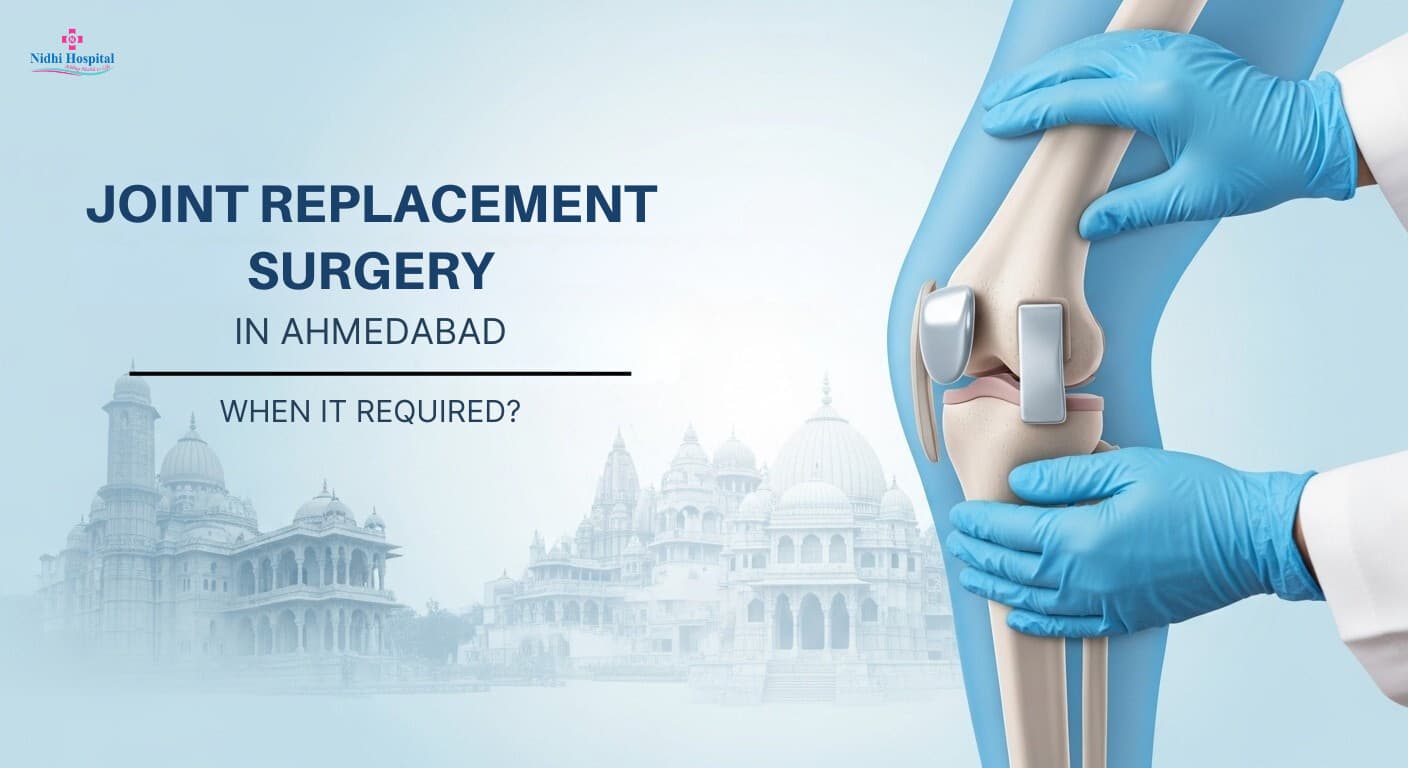
Joint Replacement Surgery in Ahmedabad: When Is It Required?
Joint pain and stiffness can significantly affect daily activities, independence, and overall quality of life. For many people, joint problems begin gradually and can often be managed with medication, physiotherapy, or lifestyle changes. However, when pain becomes persistent and movement is severely limited, surgical intervention may be the most effective solution. Joint replacement surgery has transformed the lives of millions by restoring mobility and relieving chronic pain.
This blog explains when joint replacement surgery becomes necessary, the conditions that lead to it, and how patients can make informed decisions about their treatment.
Understanding Joint Problems
Joints allow movement and flexibility, but over time they can wear down due to age, injury, or disease. When the protective cartilage between bones deteriorates, bones may rub against each other, causing pain, swelling, and stiffness.
Common Causes of Joint Damage
- Osteoarthritis
- Rheumatoid arthritis
- Joint injuries or fractures
- Degenerative joint disease
- Long-term overuse or repetitive strain
As damage progresses, daily activities such as walking, climbing stairs, or even sitting and standing can become difficult.
What Is Joint Replacement Surgery?
Joint replacement surgery involves removing the damaged parts of a joint and replacing them with artificial components designed to restore smooth movement. The most commonly replaced joints include the knee and hip, though shoulder and other joint replacements are also performed when required.
Modern surgical techniques and improved implant materials have made joint replacement safer, more durable, and highly effective in relieving pain.
When Is Joint Replacement Surgery Required?
Joint replacement surgery is usually considered only after non-surgical treatments fail to provide adequate relief.
Signs That Surgery May Be Needed
- Persistent joint pain that interferes with daily life
- Severe stiffness limiting movement
- Pain that continues even at rest or during sleep
- Swelling and inflammation that do not improve
- Reduced quality of life despite medication and therapy
Patients experiencing these symptoms may benefit from Joint Replacement Surgery in Ahmedabad after thorough medical evaluation.
Conditions That Commonly Require Joint Replacement
Advanced Osteoarthritis
When cartilage damage becomes severe, joint replacement offers long-term pain relief and improved mobility.
Rheumatoid Arthritis
Chronic inflammation can damage joints over time, making surgery necessary when deformity or pain becomes disabling.
Post-Traumatic Joint Damage
Serious injuries or fractures can lead to joint degeneration, requiring replacement for proper function.
Types of Joint Replacement Procedures
Different joints and conditions require specific surgical approaches.
Knee Replacement
One of the most common procedures, knee replacement helps relieve pain and restore walking ability.
Hip Replacement
Hip replacement improves mobility and reduces pain caused by arthritis or fractures.
Partial vs Total Replacement
In some cases, only part of the joint is replaced, while severe damage may require total replacement. The choice depends on the extent of damage, age, and activity level of the patient.
Benefits of Joint Replacement Surgery
When performed at the right time, joint replacement offers several benefits:
- Significant pain relief
- Improved joint function and mobility
- Better posture and balance
- Increased independence
- Enhanced quality of life
Most patients experience long-term improvement and return to normal activities after recovery.
Preparation Before Joint Replacement Surgery
Proper preparation helps ensure successful outcomes. Before surgery, patients undergo:
- Physical examination and imaging tests
- Review of medical history and medications
- Pre-surgery fitness and lifestyle guidance
Doctors also discuss the recovery process and rehabilitation plan to set clear expectations.
Recovery and Rehabilitation
Recovery varies depending on the joint replaced and individual health factors.
Early Recovery
Patients are encouraged to start gentle movement soon after surgery to prevent stiffness and improve circulation.
Physiotherapy
Rehabilitation exercises strengthen muscles, improve flexibility, and support long-term joint function.
Long-Term Recovery
Most patients resume daily activities within weeks to months, with continued improvement over time.
Why Choosing the Right Hospital Matters
The success of joint replacement surgery depends not only on the procedure but also on surgical expertise, infrastructure, and post-operative care. Nidhi hospital which is known as a multispecialty hospital in Ahmedabad offers coordinated services including orthopaedics, diagnostics, rehabilitation, and emergency care under one roof.
Selecting the Best Hospital in Ahmedabad ensures access to experienced surgeons, modern operation theatres, advanced implants, and structured recovery programs, all of which contribute to better outcomes.
Joint Replacement and Other Surgical Care
Hospitals that manage complex surgical procedures often provide comprehensive care across specialties. For example, centers that handle orthopaedic surgeries may also offer advanced treatments such as Pancreas Surgery in Ahmedabad, reflecting strong surgical infrastructure, critical care support, and multidisciplinary expertise.
Such hospitals are well equipped to manage patients with multiple health needs safely.
Making an Informed Decision
Before opting for surgery, patients should discuss:
- Expected outcomes and risks
- Type of implant used
- Recovery timeline
- Rehabilitation requirements
Clear communication with the medical team helps patients feel confident and prepared.
Conclusion
Joint replacement surgery is a proven and effective solution for individuals suffering from severe joint pain and mobility issues when conservative treatments no longer work. Recognizing the right time for surgery, understanding the procedure, and choosing the right healthcare facility are key to successful outcomes.
With proper evaluation, skilled surgical care, and dedicated rehabilitation, joint replacement can restore mobility, reduce pain, and significantly improve quality of life—helping patients return to active and independent living.
Medical Disclaimer: This article is for informational purposes and not a substitute for professional medical advice. For any health concerns, please consult with our specialists at Nidhi Hospital.