

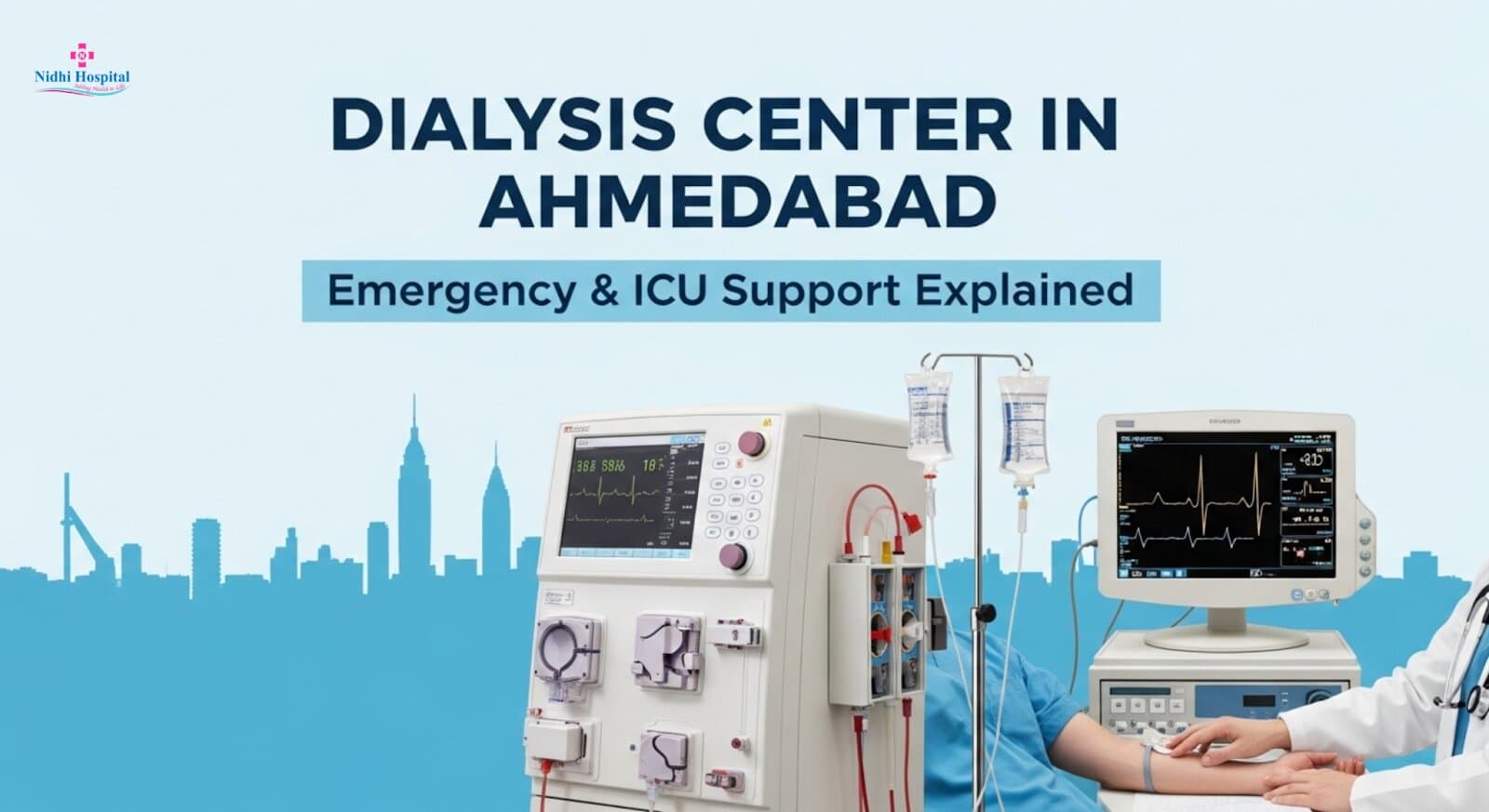
Dialysis Center in Ahmedabad: Emergency & ICU Support Explained
Kidney failure is a serious medical condition that requires consistent monitoring and timely treatment. For patients undergoing dialysis, access to emergency and critical care support can make a significant difference in health outcomes. Dialysis is not just a routine procedure—it is a life-sustaining treatment that demands medical expertise, advanced infrastructure, and rapid response capabilities in case of complications.
This blog explains the importance of emergency readiness and ICU support in dialysis care and why choosing the right hospital is essential for patient safety and long-term well-being.
Understanding Dialysis and Its Importance
Dialysis is a medical procedure that removes waste, toxins, and excess fluids from the blood when the kidneys are no longer functioning effectively. It helps maintain proper electrolyte balance and supports overall body function.
There are two primary types of dialysis:
Hemodialysis
Blood is filtered through a dialysis machine outside the body before being returned to circulation.
Peritoneal Dialysis
The lining of the abdomen is used to filter blood internally through a specialized fluid exchange process.
Patients with chronic kidney disease or kidney failure often require dialysis multiple times a week. Regular treatment ensures stability, but emergencies can occur unexpectedly.
Why Emergency Support Is Critical in Dialysis Care
Although dialysis is generally safe, certain complications may arise during or after treatment. These may include:
- Sudden blood pressure changes
- Electrolyte imbalances
- Breathing difficulty
- Cardiac irregularities
- Infections
In such cases, immediate medical attention is necessary. A well-equipped Dialysis Center in Ahmedabad must have trained medical staff and emergency protocols in place to respond quickly and effectively.
Rapid intervention minimizes risks and ensures patient safety.
The Role of ICU in Dialysis Treatment
Some dialysis patients may have additional health complications such as heart disease, diabetes, or infections. These conditions increase the need for critical care facilities.
An ICU-equipped hospital provides:
- Continuous Monitoring
Vital signs are closely observed to detect complications early. - Advanced Life Support Systems
Ventilators and emergency equipment are available if required. - Specialist Supervision
Nephrologists, intensivists, and trained nurses work together to manage complex cases.
Hospitals offering the Best dialysis in Ahmedabad ensure that high-risk patients receive immediate and comprehensive care whenever needed.
Integrated Care in a Multispecialty Setup
Kidney disease often affects multiple organs and body systems. A Multispecialty hospital in Ahmedabad brings together nephrologists, cardiologists, endocrinologists, critical care specialists, and diagnostic teams under one roof.
This coordinated approach ensures:
- Accurate diagnosis
- Personalized treatment planning
- Immediate referral to specialists
- Seamless communication between departments
Integrated care significantly improves patient outcomes and reduces delays in emergency management.
Infrastructure That Supports Safe Dialysis
Advanced infrastructure plays a vital role in maintaining patient safety. A reliable dialysis center should have:
- Modern Dialysis Machines
High-efficiency machines ensure effective blood filtration and reduced risk of complications. - Infection Control Protocols
Strict hygiene standards prevent cross-contamination and hospital-acquired infections. - Trained Nursing Staff
Experienced dialysis nurses monitor patients closely throughout the procedure.
Hospitals recognized as the Best Hospital in Ahmedabad maintain strict quality standards, updated equipment, and continuous staff training to deliver safe dialysis care.
Managing High-Risk Dialysis Patients
Some patients may require dialysis during critical illness, post-surgical recovery, or severe infection. These cases demand advanced medical supervision and ICU backup.
High-risk patients benefit from:
- Round-the-clock emergency response teams
- Access to ventilatory support
- Specialized monitoring for cardiac and metabolic stability
The presence of ICU support ensures that dialysis treatment continues safely even in complex medical situations.
Questions Patients Should Ask Before Choosing a Dialysis Center
Selecting the right dialysis center is a crucial decision. Patients and families should consider asking:
- Is emergency medical support available on-site?
- Does the hospital provide ICU backup?
- Are nephrologists and intensivists available 24/7?
- What infection control measures are followed?
- How are complications managed during dialysis?
Clear answers help patients feel confident and secure in their choice.
Long-Term Benefits of Comprehensive Dialysis Care
Choosing a hospital that offers both dialysis and emergency care provides long-term advantages:
- Reduced risk of complications
- Faster response in emergencies
- Improved survival rates
- Better overall patient experience
- Continuous monitoring and follow-up
Comprehensive care supports stability and improves quality of life for patients with kidney disease.
Conclusion
Dialysis is a life-saving treatment that requires not only advanced equipment but also immediate access to emergency and ICU support. Complications, though uncommon, must be managed promptly to ensure patient safety.
A well-equipped dialysis center with integrated emergency care, critical care facilities, and experienced specialists provides reassurance and reliability for patients and families. By prioritizing safety standards, infrastructure, and coordinated medical care, patients can receive effective dialysis treatment with confidence and peace of mind.
Medical Disclaimer: This article is for informational purposes and not a substitute for professional medical advice. For any health concerns, please consult with our specialists at Nidhi Hospital.