

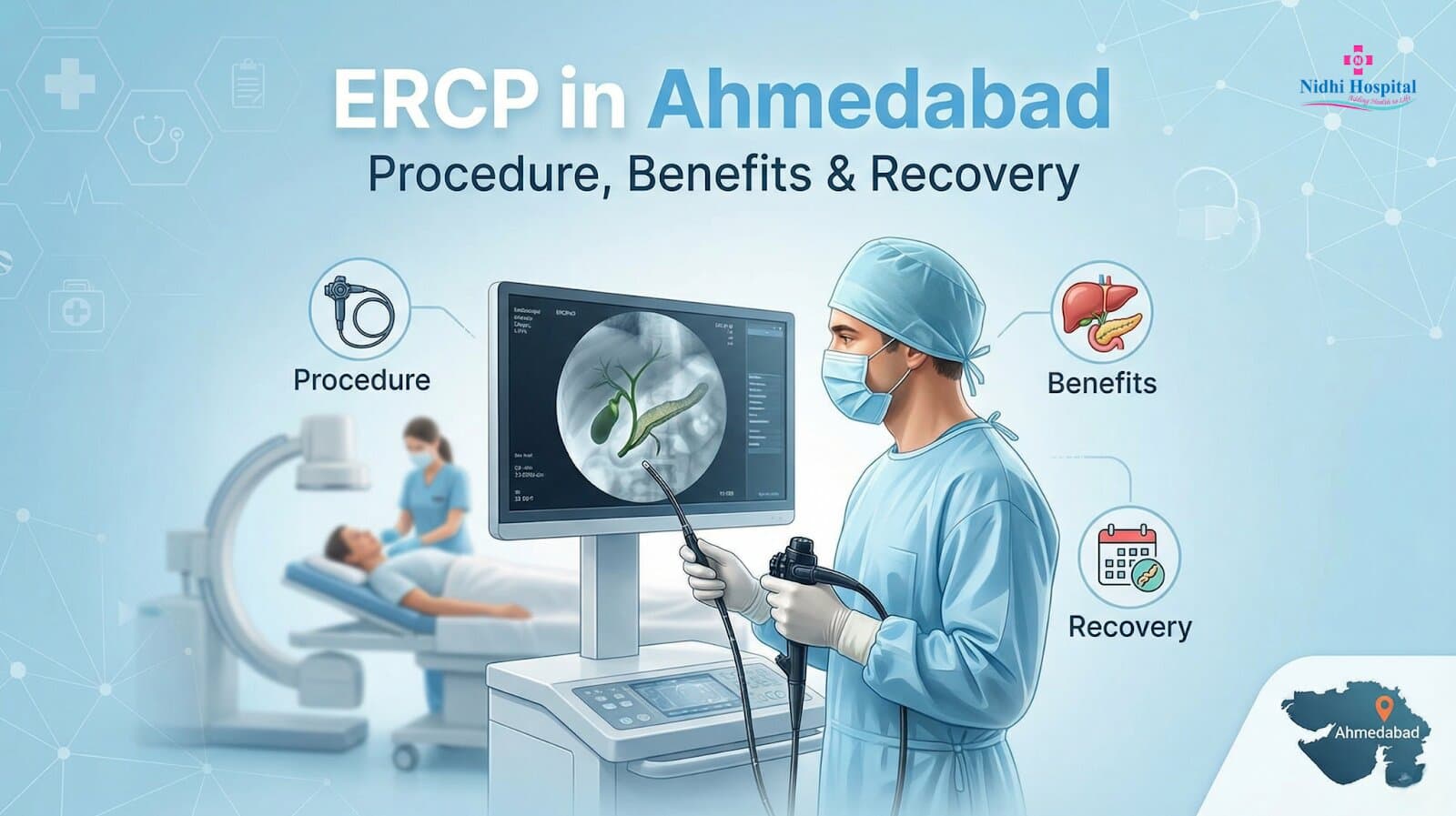
ERCP in Ahmedabad: Procedure, Benefits & Recovery
Digestive disorders affecting the bile ducts, pancreas, and gallbladder can cause severe discomfort and lead to serious health complications if left untreated. Endoscopic Retrograde Cholangiopancreatography (ERCP) is an advanced medical procedure used to diagnose and treat problems in these areas without the need for major surgery. Understanding how ERCP works, its benefits, and what recovery involves helps patients feel more confident and informed before undergoing treatment.
This blog explains the ERCP procedure, when it is required, and why choosing the right hospital plays a crucial role in successful outcomes.
What Is ERCP?
ERCP (Endoscopic Retrograde Cholangiopancreatography) is a specialized endoscopic procedure used to examine and treat conditions related to the bile ducts, pancreatic ducts, and gallbladder. It combines endoscopy and imaging techniques to identify blockages, stones, strictures, or tumors.
During the procedure, a flexible endoscope is passed through the mouth into the digestive tract. A contrast dye is injected into the ducts, allowing doctors to view detailed images using X-ray guidance.
Patients requiring ERCP in Ahmedabad typically undergo this procedure when non-invasive diagnostic tests suggest bile duct or pancreatic abnormalities.
When Is ERCP Recommended?
Doctors may recommend ERCP in the following situations:
1. Bile Duct Stones
Gallstones that move into the bile duct can block the flow of bile and cause pain or infection.
2. Jaundice
Yellowing of the skin and eyes may indicate bile duct obstruction.
3. Pancreatitis
ERCP helps diagnose and treat certain types of pancreatitis caused by duct blockage.
4. Bile Duct Narrowing or Tumors
The procedure can detect and sometimes treat strictures or growths.
Timely intervention prevents complications and improves patient outcomes.
How Is ERCP Performed?
ERCP is usually done under sedation to ensure patient comfort.
Step 1: Endoscope Insertion
A thin, flexible tube with a camera is guided through the mouth into the stomach and small intestine.
Step 2: Imaging and Dye Injection
A special dye is injected into the bile or pancreatic ducts to capture clear X-ray images.
Step 3: Treatment During Procedure
If stones, blockages, or narrowing are detected, doctors may:
- Remove stones
- Insert stents
- Perform small incisions to widen ducts
The entire procedure typically takes 30 to 60 minutes.
Benefits of ERCP
ERCP offers several advantages compared to traditional surgical methods:
- Minimally invasive approach
- Shorter recovery time
- Immediate treatment during diagnosis
- Reduced hospital stay
- Lower risk compared to open surgery
Because it combines diagnosis and treatment, ERCP eliminates the need for multiple procedures in many cases.
ERCP vs Other Endoscopic Procedures
While ERCP focuses on bile and pancreatic ducts, other procedures evaluate different areas of the digestive tract. For example, Gastrointestinal Endoscopy in Ahmedabad is commonly performed to assess the esophagus, stomach, and intestines for ulcers, bleeding, or inflammation.
Both procedures are essential tools in modern digestive care, but ERCP is more specialized for duct-related conditions.
Recovery After ERCP
Recovery is generally quick and uncomplicated for most patients.
Immediate Post-Procedure Care
Patients are monitored until sedation wears off. Mild throat discomfort or bloating may occur temporarily.
Diet and Activity
Light meals are recommended initially, and normal activities can often resume within a day.
Follow-Up
Doctors may schedule follow-up appointments to monitor healing or assess treatment results.
Proper recovery guidance ensures safe and smooth healing.
Possible Risks and Safety Measures
Like any medical procedure, ERCP carries some risks, including:
- Pancreatitis
- Infection
- Bleeding
- Reaction to sedation
However, these risks are minimized when performed by experienced specialists in a well-equipped hospital setting.
Choosing the Best Hospital in Ahmedabad ensures access to advanced imaging technology, trained gastroenterologists, and strict safety protocols that reduce complications.
Importance of Multispecialty Care
Digestive and pancreatic conditions often require coordinated care across specialties. A Multispecialty hospital in Ahmedabad offers integrated services including gastroenterology, surgery, radiology, and critical care.
This collaborative approach ensures faster diagnosis, efficient treatment, and comprehensive post-procedure support for patients.
When to Seek Immediate Medical Attention
After ERCP, patients should contact their doctor if they experience:
- Severe abdominal pain
- High fever
- Persistent vomiting
- Difficulty breathing
Prompt attention prevents complications and ensures safe recovery.
Conclusion
ERCP is a highly effective and minimally invasive procedure used to diagnose and treat bile duct and pancreatic disorders. By combining imaging and treatment in a single session, it reduces patient discomfort and improves recovery time.
Early diagnosis, experienced specialists, and access to advanced medical infrastructure significantly improve outcomes. Understanding the procedure, benefits, and recovery process empowers patients to make informed decisions about their digestive health and seek timely care when needed.
Medical Disclaimer: This article is for informational purposes and not a substitute for professional medical advice. For any health concerns, please consult with our specialists at Nidhi Hospital.