

Infectious Diseases Department
Expert Care, Timely Intervention, and Responsible Prevention at Nidhi Hospital
What are Infectious Diseases?
Infectious diseases (IDs), also known as communicable diseases, are illnesses caused by microorganisms like bacteria, viruses, fungi, or parasites. These diseases are transmitted from one person or source to another—through direct or indirect contact.
Understanding how these diseases spread is the first step toward preventing them.
Modes of Transmission
Indirect Transmission
Vehicle-Borne Infections: Spread via contaminated food, water, or objects. Examples: Typhoid, Acute Diarrhea
Vector-Borne Infections: Spread through insects or animals that carry infectious agents. Examples: Malaria, Dengue, Chikungunya, Tick Fever
Airborne Infections: Transmitted through respiratory droplets in the air. Examples: Tuberculosis, Measles, Chickenpox, Swine Flu
Direct Transmission
Occurs through direct physical contact, such as skin-to-skin contact, sexual transmission, or droplet spread from a cough or sneeze.
Prevention through Immunization
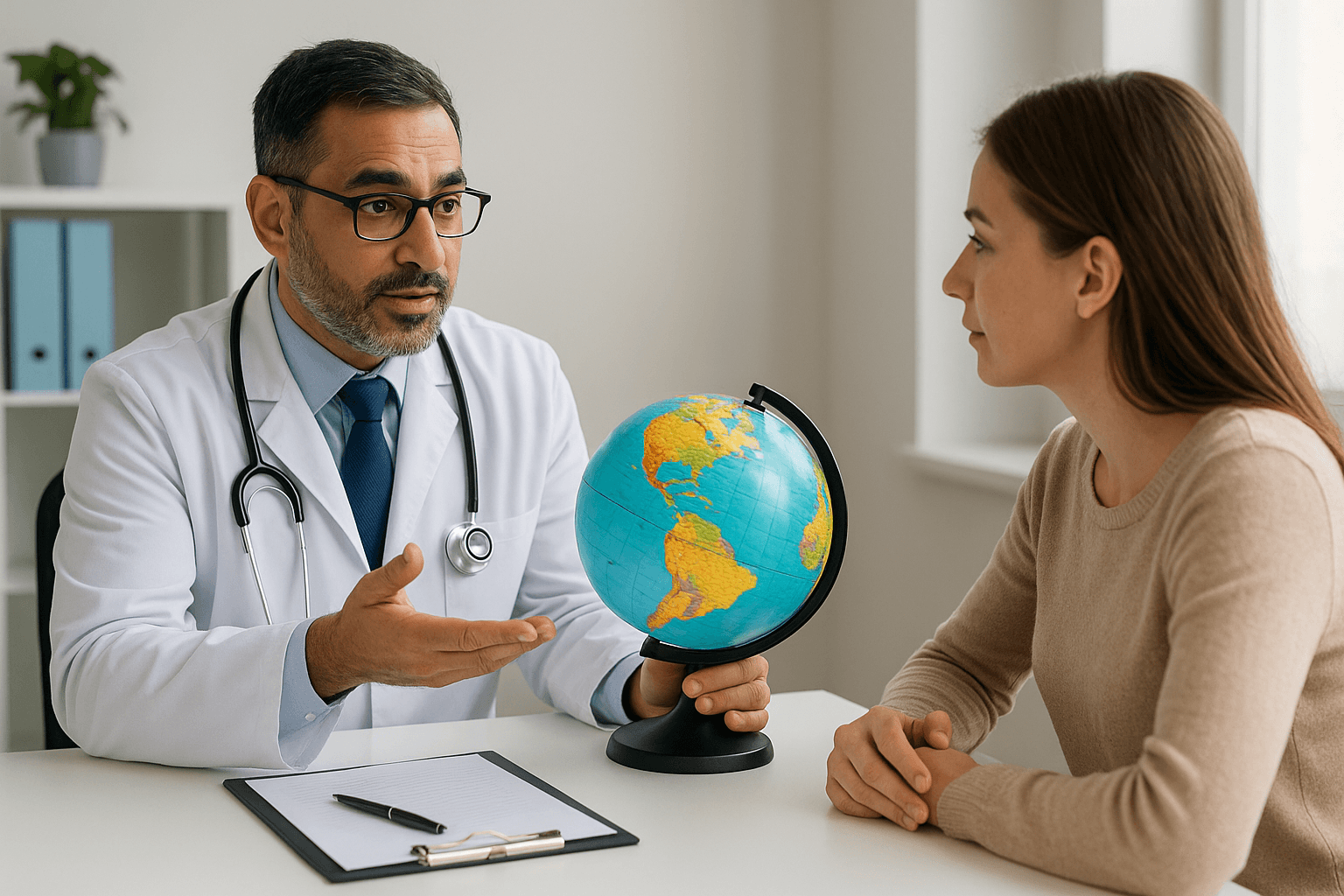
Vaccination remains a cornerstone in preventing infectious diseases—especially in today's era of global travel, aging populations, and rising antibiotic resistance.
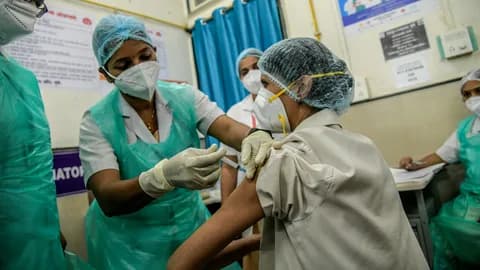
At Nidhi Hospital, our Vaccination Centre provides:
Basic immunizations for children and adults Specialized vaccines for at-risk groups, including:
Pneumococcal Vaccine – For elderly or chronically ill
Influenza Vaccine – For those with respiratory/heart conditions
Typhoid Vaccine
HPV Vaccine – For young females
Chickenpox Vaccine
Travel Vaccines & Advice – Tailored to destinations and endemic risks
Traveling abroad? Protect your health before you go.
We offer:
Pre-travel Risk Assessments
Travel Vaccinations & Prophylaxis
Environmental Safety Guidance
Post-travel Care for returning travelers with symptoms
Infection Control & Antibiotic Stewardship
Hospital Acquired Infections (HAIs) we manage:
Ventilator-Associated Pneumonia (VAP)
Central Line-Associated Bloodstream Infections (CLABSI)
Urinary Tract Infections (UTI)
Surgical Site Infections (SSI)
We adhere to national and global quality benchmarks for infection prevention.
Antibiotic Stewardship Program
Our multidisciplinary approach ensures:
Rational use of antibiotics
Prevention of antibiotic resistance
Regular patient counseling and drug monitoring
Data-driven prescribing practices
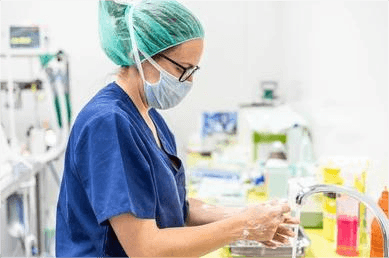
Hand Hygiene: The First Line of Defense
Proper hand washing using a step-by-step technique reduces infection risk dramatically. We educate all patients, visitors, and staff on globally accepted hand hygiene practices.
The Role of Infectious Disease Specialists
Our Infectious Diseases Consultant manages complex and resistant infections with evidence-based care and up-to-date global standards.
We provide comprehensive care for:
HIV and AIDS
Tuberculosis (TB), including MDR and XDR TB
Community-acquired infections – URIs, Pneumonia, UTIs
Tropical infections – Malaria, Dengue, Typhoid, Chikungunya
Fungal infections – Aspergillosis, Mucormycosis, Candidiasis
Post-surgical and hospital-acquired infections
Infections in cancer and transplant patients
Opportunistic infections in immunocompromised patients
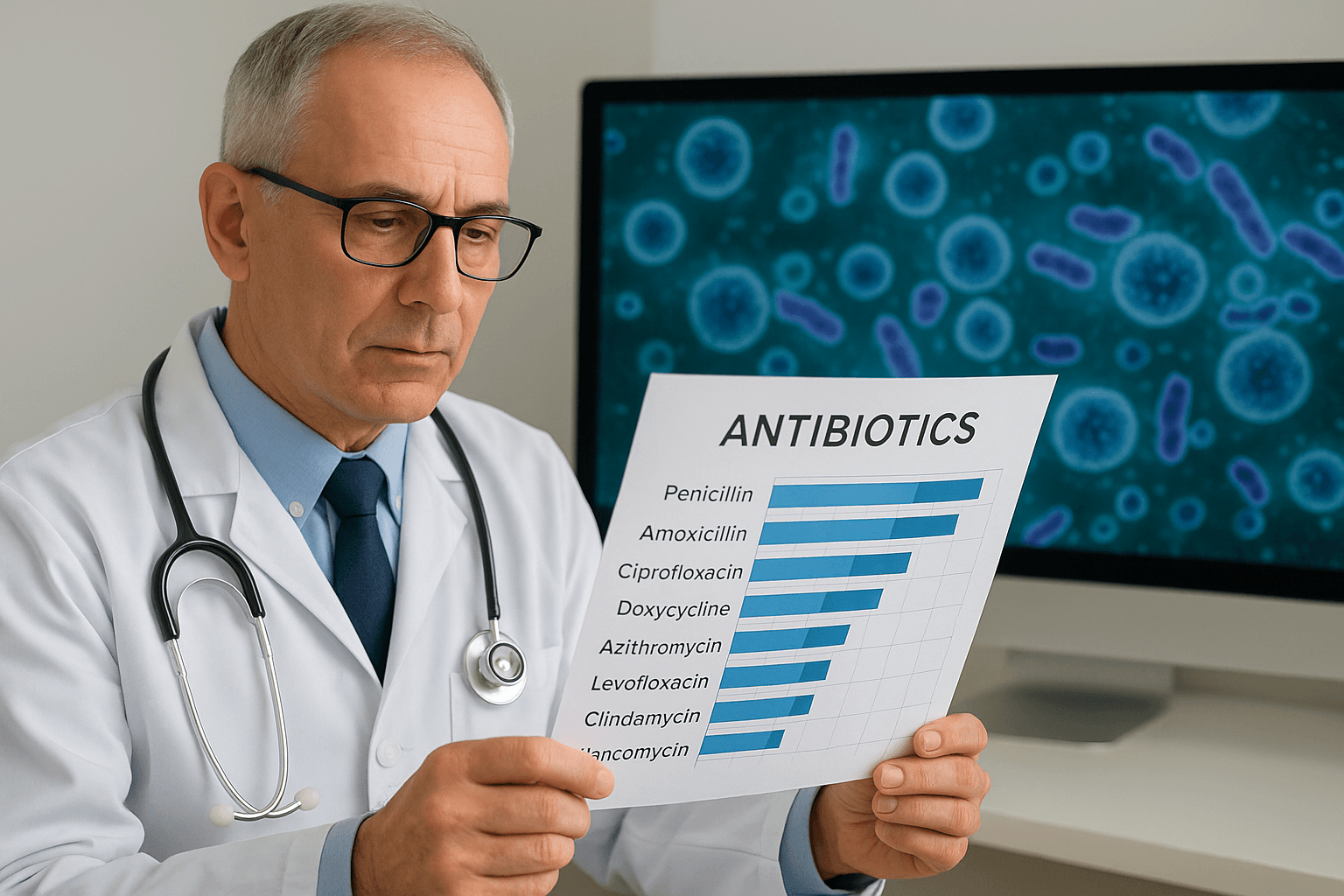
Why Infectious Diseases Are an Indispensable Specialty
Antibiotic Resistance: Misuse and overuse of antibiotics reduce their effectiveness.
Recurrence: Incomplete or incorrect treatment can lead to relapse.
No New Antibiotics in Pipeline:Rational and evidence-based use is crucial.
Increased Vulnerability: Especially in cancer, transplant, and HIV patients.
INFECTIOUS DISEASES DOCTORS
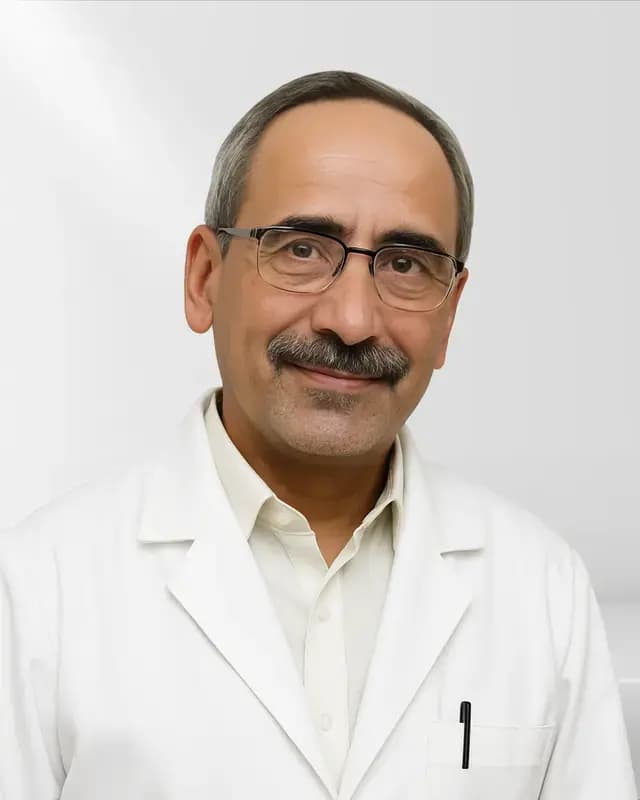
Dr. Harsh Toshniwal
INFECTIOUS DISEASE
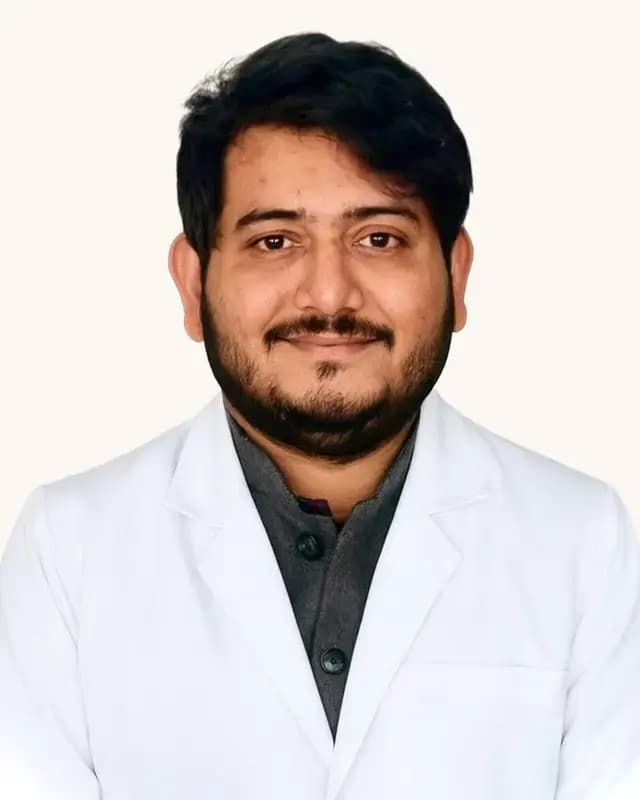
Dr. Dhruv Patel
INFECTIOUS DISEASE

Dr. Kalpak Bhatt
INFECTIOUS DISEASE
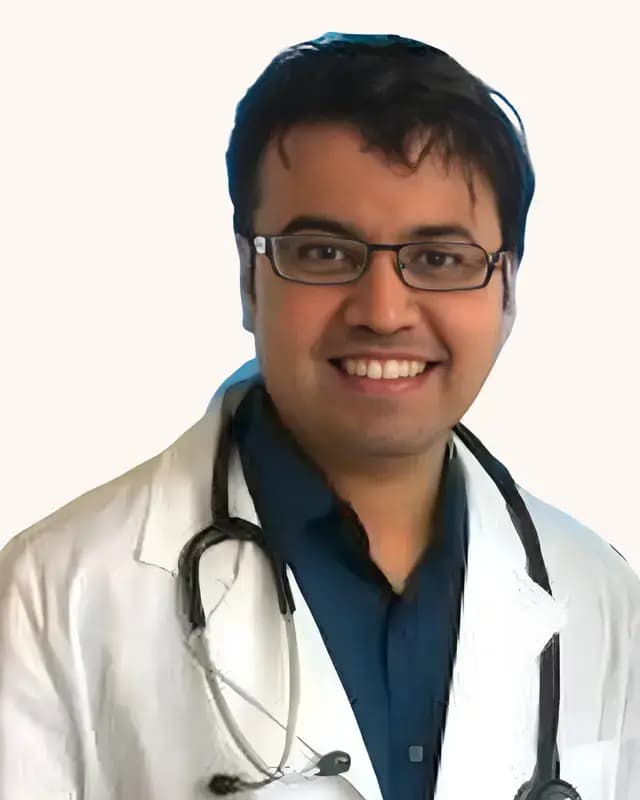
Dr. Aniket Shah
INFECTIOUS DISEASE
Dr. Vipul Patel
INFECTIOUS DISEASE

Dr. Manoj Sevkani
INFECTIOUS DISEASE