



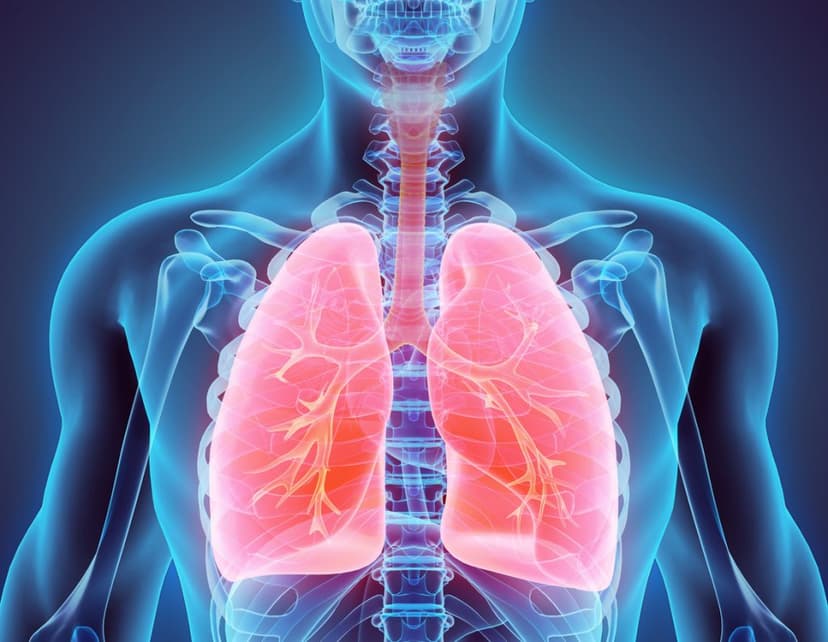
In medicine,pulmonologyis the specialty that deals with diseases of the lungs and the respiratory tract. It is calledchest medicineandrespiratory medicinein some countries and areas. Pulmonology is generally considered a branch of internal medicine , although it is closely related to intensive care medicine (aka critical care medicine) when dealing with patients requiring mechanical ventilation.Chest medicineis not a specialty in itself but is an inclusive term which pertains to the treatment of diseases of the chest and contains the fields of pulmonology, thoracic surgery , and intensive care medicine. Pulmonology is concerned with the diagnosis and treatment of lung diseases, as well as secondary prevention (tuberculosis). Physicians specializing in this area are called pulmonologists. In the United Kingdom, Ireland, South Africa and Australia the term “respiratory physician” is used rather than pulmonologist. In Canada, respirology and respirologist are used. Surgery of the respiratory tract is generally performed by specialists in cardiothoracic surgery (or thoracic surgery ), though minor procedures may be performed by pulmonologists. As mentioned above, pulmonology is closely related to critical care medicine when dealing with patients that require mechanical ventilation. As a result, many pulmonologists are certified to practice critical care medicine in addition to pulmonary medicine. There are fellowship programs that allow physicians to become board certified in pulmonary and critical care medicine simultaneously. Interventional pulmonology is a relatively new field within pulmonary medicine that deals with the use of procedures such as bronchoscopy to treat several pulmonary diseases. Interventional pulmonology is not its own specialty.
DIAGNOSIS
The pulmonologist begins the diagnostic process with a general review focusing on:
hereditary diseases affecting the lungs ( cystic fibrosis , alpha 1-antitrypsin deficiency )
exposure to toxins ( tobacco smoke , asbestos , exhaust fumes , coal mining fumes)
exposure to infectious agents (certain types of birds, malt processing)
an autoimmune diathesis that might predispose to certain conditions ( pulmonary fibrosis, pulmonary hypertension )
Physical diagnostics are as important as in the other fields of medicine .
Inspection of the hands for signs of cyanosis or clubbing, chest wall, and respiratory rate.
Palpation of the cervical lymph nodes, trachea and chest wall movement.
Percussion of the lung fields for dullness or hyperresonance.
Auscultation (with a stethoscope ) of the lung fields for diminished or unusual breath sounds.
Rales or Rhonchi heard over lung fields with a stethoscope.
As many heart diseases can give pulmonary signs, a thorough cardiac investigation is usually included. Other tools include:
Laboratory investigation of blood (blood tests). Sometimes arterial blood gas measurements are also required.
Spirometry (the determination of lung volumes in time by breathing into a dedicated machine; response to bronchodilatators and diffusion of carbon monoxide)
Bronchoscopy with bronchoalveolar lavage (BAL), endobronchial and transbronchial biopsy and epithelial brushing
Auscultation (with a stethoscope ) of the lung fields for diminished or unusual breath sounds.
Rales or Rhonchi heard over lung fields with a stethoscope.
Chest X-rays
CT scanning ( MRI scanning is rarely used)
Scintigraphy and other methods of nuclear medicine
Positron emission tomography (especially in lung cancer)
Polysomnography (sleep studies) commonly used for the diagnosis of Sleep apnea
TREATMENT
Surgical treatment is generally performed by the (cardio) thoracic surgeon, generally after primary evaluation by a pulmonologist. Medication is the most important treatment of most diseases of pulmonology, either by inhalation (bronchodilators and steroids) or in oral form (antibiotics, leukotriene antagonists). A common example being the usage of inhalers in the treatment of inflammatory lung conditions such as Asthma or Chronic obstructive pulmonary disease. Oxygen therapy is often necessary in severe respiratory disease (emphysema and pulmonary fibrosis). When this is insufficient, the patient might require mechanical ventilation.
MEDICAL VENTILATOR
Amedical ventilatormay be defined as any machine designed to mechanically move breatheable air into and out of the lungs, to provide the mechanism of breathing for a patient who is physically unable to breathe, or breathing insufficiently. See also mechanical ventilation.
Ventilators are chiefly used in intensive care medicine, home care and emergency medicine (as standalone units) and in anesthesia (as a component of an anesthesia machine).
Bronchoscopyis a technique of visualizing the inside of the airways for diagnostic and therapeutic purposes. An instrument (bronchoscope) is inserted into the airways, usually through the nose or mouth, or occasionally through a tracheotomy. This allows the practitioner to examine the patient’s airways for abnormalities such as foreign bodies, bleeding, , tumors or inflammation. Specimens may be taken from inside the lungs. The construction of bronchoscopes ranges from rigid metal tubes with attached lighting devices to flexible optical fiber instruments with real-time video equipment.
Pulmonary function tests are a group of tests that measure how well the lungs take in and release air and how well they move gases such as oxygen from the atmosphere into the body’s circulation.
HOW THE TEST IS PERFORMED
In a spirometry test, you breathe into a mouthpiece that is connected to an instrument called a spirometer. The spirometer records the amount and the rate of air that you breathe in and out over a period of time.
For some of the test measurements, you can breathe normally and quietly. Other tests require forced inhalation or exhalation after a deep breath.
Lung volume measurement can be done in two ways
The most accurate way is to sit in a sealed, clear box that looks like a telephone booth (body plethysmograph) while breathing in and out into a mouthpiece. Changes in pressure inside the box help determine the lung volume.
Lung volume can also be measured when you breathe nitrogen or helium gas through a tube for a certain period of time. The concentration of the gas in a chamber attached to the tube is measured to estimate the lung volume.
To measure diffusion capacity, you breathe a harmless gas for a very short time, often one breath. The concentration of the gas in the air you breathe out is measured. The difference in the amount of gas inhaled and exhaled measures how effectively gas travels from the lungs into the blood.
PULMONOLOGY DOCTOR

Dr. Ajay Shah
PULMONOLOGIST

Dr. Pradip Dabhi
PULMONOLOGIST

Dr. Varun Patel
PULMONOLOGIST