



Definition & Purpose
Vascular surgery involves diagnosing and surgically treating vascular diseases affecting arteries, veins, and lymphatics
It is indicated when a vascular condition cannot be managed conservatively and requires surgical intervention
The goal is to repair, bypass, or replace diseased vascular segments to restore adequate blood flow, reduce risk of organ damage, and prevent limb loss or life-threatening events
Who Needs Vascular Surgery? (Demographics & Risk Factors)
As people age, vascular diseases become more common—even if early stages are asymptomatic. Some main risk factors and contributors include:Age (blood vessels lose elasticity)
Family history of vascular or heart disease
Smoking, obesity, hypertension, diabetes, high cholesterol
Prolonged inactivity, trauma, or vascular injury
Pregnancy, surgery, or conditions that compromise blood flow
Vascular Conditions Treated
Our vascular surgery team treats a broad range of vascular disorders:Arterial Diseases
Peripheral arterial disease (PAD) / peripheral vascular disease (PVD)
Aortic aneurysms (abdominal and thoracic)
Carotid artery disease & stroke prevention
Atherosclerosis, claudication, ischemia
Embolism, thrombosis
Venous & Lymphatic Disorders
Varicose veins & chronic venous insufficiency
Deep vein thrombosis (DVT) & venous ulcers
Lymphatic obstruction, lymphedema
Other Vascular Surgeries
Endarterectomy (removal of diseased inner arterial layer)
Thrombectomy / embolectomy
Graft resection and replacement
Vascular surgery for erectile dysfunction (vasculogenic)
Renal artery surgery, carotid endarterectomy
Diagnosis & Preoperative Evaluation
Physical exam & clinical history (pulses, bruits)
Ankle-Brachial Index (ABI)
Duplex ultrasonography / Doppler
Segmental pressure test, plethysmography
Lymphangiography / lymphoscintigraphy (for lymphatic disease)
Surgical & Endovascular Techniques
Depending on the pathology, we use conventional open surgery or minimally invasive endovascular approaches:
Endarterectomy: remove plaque from the arterial wall
Thrombectomy / Embolectomy: remove clots blocking vessels
Aneurysm Repair: graft replacement of dilated arteries
Venous Procedures: vein stripping, laser ablation, sclerotherapy for varicose veins
Lymphatic Surgery: for severe lymphedema (rare)
Aftercare, Recovery & Risks
Postoperative Care & Recovery
Intensive care monitoring initially
Hospital stay depends on procedure (for example, aneurysm repair may require 5–10 days)
Gradual rehabilitation and lifestyle modifications
Long-term monitoring for graft patency, patency, and vascular health
Potential Risks
Bleeding, infection
Graft blockage or failure
Stroke or cardiac events
Leg swelling (especially if vein used as graft)
Impotence (in vascular surgeries)
Higher risk in older or comorbid patients
These specialists bring extensive experience in both open and endovascular vascular surgery, supported by Nidhi Hospital’s modern infrastructure.
Why Choose Nidhi Hospital for Vascular Surgery in Ahmedabad?
Comprehensive vascular care—arterial, venous, lymphatic—under one roof
Skilled vascular surgeons with experience in minimally invasive and open techniques
State-of-the-art imaging, endovascular suite, and hybrid OR capabilities
Integrated care with cardiology, radiology, vascular medicine, and intensive care
Affordable, high-quality vascular surgery in Ahmedabad / Gujarat
VASCULAR DOCTOR
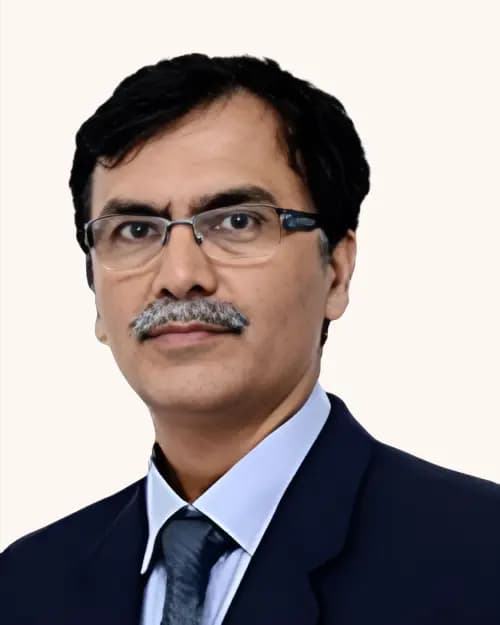
Dr. Kiran Dave
VASCULAR SURGEON