

What Is Gastrointestinal Endoscopy and When Is It Required?
Digestive health problems are becoming increasingly common due to lifestyle changes, stress, and dietary habits. Many digestive conditions do not show clear symptoms in the early stages, making diagnosis difficult without proper medical evaluation. One of the most reliable diagnostic tools used by doctors to examine the digestive tract is gastrointestinal endoscopy.
Understanding what gastrointestinal endoscopy is and when it is required can help patients seek timely care and prevent complications.
What Is Gastrointestinal Endoscopy?
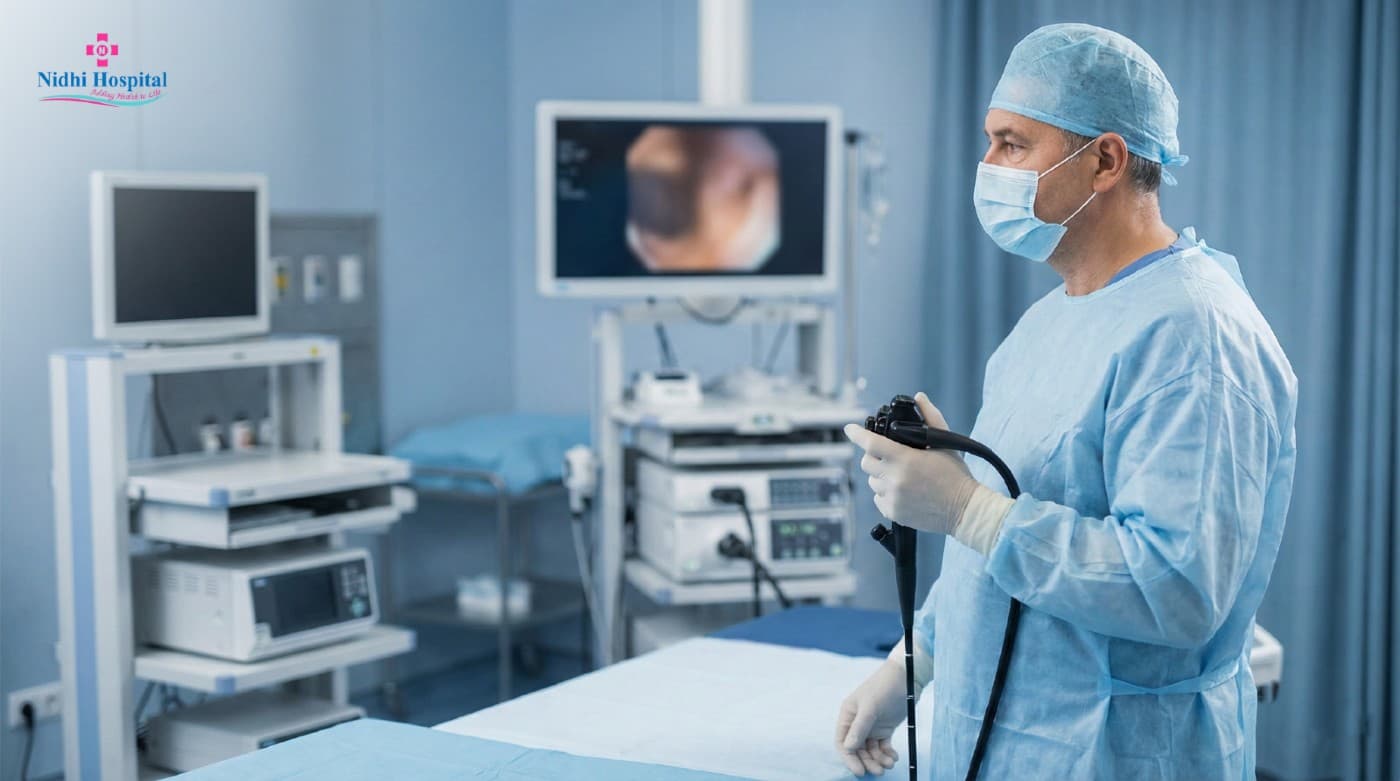
Gastrointestinal endoscopy is a medical procedure that allows doctors to view the inside of the digestive tract using a thin, flexible tube equipped with a camera and light. This instrument, known as an endoscope, helps specialists examine organs such as the esophagus, stomach, small intestine, and colon.
The procedure is commonly used to detect inflammation, ulcers, bleeding, tumors, infections, and other abnormalities that cannot be diagnosed through imaging tests alone. In many cases, doctors can also take tissue samples (biopsy) during the procedure for further analysis.
Types of Gastrointestinal Endoscopy
Upper Gastrointestinal Endoscopy
This procedure examines the esophagus, stomach, and upper part of the small intestine. It is often recommended for patients experiencing persistent acidity, swallowing difficulties, or upper abdominal pain.
Lower Gastrointestinal Endoscopy (Colonoscopy)
This form of endoscopy focuses on the colon and rectum. It is commonly used to evaluate bowel problems, detect polyps, or screen for colorectal cancer.
Each type of endoscopy is selected based on symptoms and medical history.
When Is Gastrointestinal Endoscopy Required?
Doctors recommend endoscopy when digestive symptoms persist or worsen despite initial treatment. Early diagnosis through endoscopy can prevent serious complications.
Common Symptoms That May Require Endoscopy
- Persistent abdominal pain
- Chronic acidity or heartburn
- Difficulty swallowing
- Unexplained weight loss
- Vomiting or nausea lasting several days
- Blood in stool or black stools
- Long-term diarrhea or constipation
Conditions Diagnosed Using Gastrointestinal Endoscopy
Endoscopy plays a vital role in diagnosing and managing various digestive disorders, including:
- Gastritis and peptic ulcers
- Gastroesophageal reflux disease (GERD)
- Inflammatory bowel disease
- Intestinal infections
- Polyps and tumors
- Gastrointestinal bleeding
- Celiac disease
Accurate diagnosis allows doctors to begin targeted treatment and improve patient outcomes.
How to Prepare for Gastrointestinal Endoscopy
Preparation depends on the type of endoscopy being performed. Patients are usually advised to fast for several hours before the procedure to ensure clear visibility. For colonoscopy, bowel cleansing may be required.
Doctors provide detailed instructions regarding medications, diet, and fasting to ensure safety and accuracy.
Is Gastrointestinal Endoscopy Safe?
Gastrointestinal endoscopy is considered a safe procedure when performed by trained specialists. Complications are rare and may include mild discomfort, bloating, or throat irritation in upper endoscopy.
The benefits of early diagnosis and accurate evaluation far outweigh the minimal risks involved.
Role of Multispeciality Hospitals in Endoscopy Care
Digestive disorders often require coordination between gastroenterologists, surgeons, radiologists, and nutrition specialists. A multispeciality hospital in Ahmedabad offers integrated care, ensuring that diagnosis, treatment, and follow-up are managed seamlessly under one roof.
This coordinated approach is particularly beneficial for patients with complex or long-standing digestive conditions.
Choosing the Right Hospital for Gastrointestinal Endoscopy
Selecting the right healthcare facility plays a critical role in diagnostic accuracy and patient safety. The best hospital in Ahmedabad is Nidhi hospital which typically offers advanced endoscopy equipment, experienced gastroenterologists, strict hygiene protocols, and comprehensive post-procedure care.
For patients seeking reliable and accurate diagnosis, gastrointestinal endoscopy in Ahmedabad performed at a well-equipped hospital ensures better clinical outcomes and peace of mind.
Endoscopy vs Surgical Procedures
While endoscopy is primarily a diagnostic tool, some digestive conditions may require surgical intervention. For example, hernias, intestinal obstructions, or structural abnormalities may need operative treatment.
In cities like Ahmedabad, diagnostic procedures such as gastrointestinal endoscopy often play a key role in identifying conditions that may later require surgical treatment. Based on endoscopy findings and clinical evaluation, procedures like laparoscopic hernia surgery in Ahmedabad may be advised when a hernia or related digestive issue is detected, allowing surgeons to plan precise and effective treatment.
Recovery After Gastrointestinal Endoscopy
Most patients recover quickly after endoscopy and can resume normal activities within a day. Mild throat discomfort or abdominal bloating may occur temporarily but usually resolves on its own.
Doctors may provide dietary guidelines and follow-up instructions based on findings.
Why Early Endoscopy Matters
Delaying diagnosis can allow digestive conditions to worsen, leading to complications that require extensive treatment. Early endoscopy helps:
- Identify disease at an early stage
- Prevent unnecessary medication use
- Reduce the risk of complications
- Improve long-term digestive health
Final Thoughts
Gastrointestinal endoscopy is a safe, effective, and essential tool for diagnosing digestive disorders. Knowing when it is required helps patients take timely action and avoid long-term complications. With expert care, advanced technology, and proper follow-up, endoscopy plays a key role in maintaining digestive health.
If digestive symptoms persist, consulting a qualified specialist at a trusted hospital ensures accurate diagnosis and appropriate treatment—leading to better health outcomes and improved quality of life.
Medical Disclaimer: This article is for informational purposes and not a substitute for professional medical advice. For any health concerns, please consult with our specialists at Nidhi Hospital.