


Best Colonoscopy in Ahmedabad: What Patients Should Know
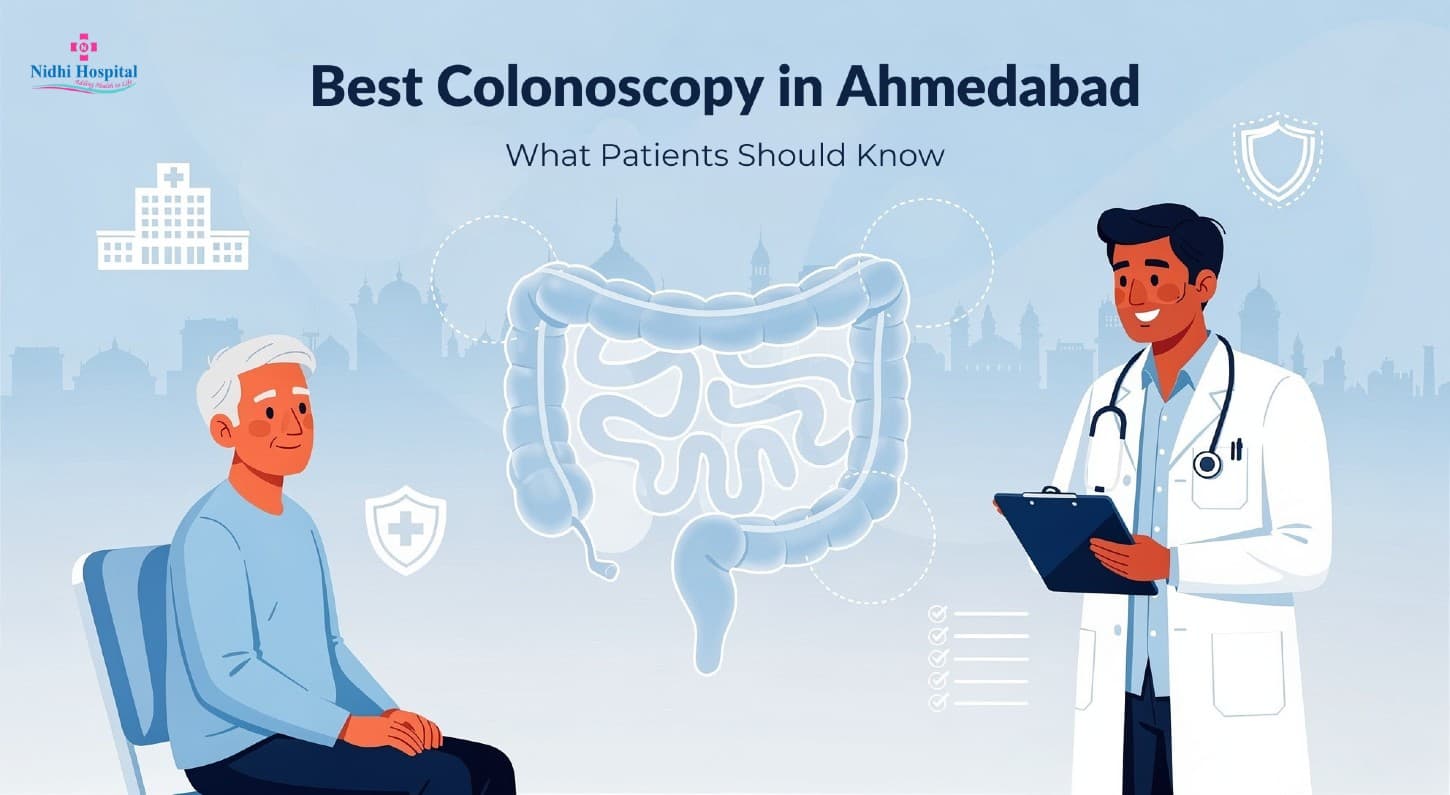
Digestive health plays a vital role in overall well-being, yet many gastrointestinal conditions remain undetected until symptoms become severe. Colonoscopy is one of the most reliable diagnostic procedures for examining the large intestine and identifying issues at an early stage. For patients experiencing persistent digestive symptoms, understanding colonoscopy and choosing the right healthcare facility is essential.
This guide explains what patients should know before undergoing colonoscopy, how the procedure works, and why selecting a trusted hospital can make a significant difference in comfort, safety, and outcomes.
What Is a Colonoscopy?
A colonoscopy is a diagnostic procedure that allows doctors to examine the inner lining of the colon and rectum using a thin, flexible tube fitted with a camera. The procedure helps detect abnormalities such as inflammation, polyps, bleeding, or early signs of colorectal cancer.
Colonoscopy is commonly recommended for patients with long-standing digestive symptoms or as a preventive screening tool, especially for individuals over a certain age or with a family history of colon disorders.
When Is Colonoscopy Recommended?
Doctors may advise colonoscopy if a patient experiences ongoing or unexplained digestive symptoms.
Common Reasons for Colonoscopy
- Persistent abdominal pain
- Chronic constipation or diarrhea
- Blood in stools or black stools
- Unexplained weight loss
- Changes in bowel habits
- Family history of colon cancer
Early detection through colonoscopy often prevents complications and allows timely treatment.
How to Prepare for a Colonoscopy
Proper preparation is crucial for accurate results. Patients are usually advised to follow a special diet and bowel preparation instructions before the procedure to ensure the colon is clean and clearly visible.
Preparation Guidelines
- Follow a liquid diet as instructed
- Take prescribed bowel-cleansing medication
- Avoid certain foods and medications
- Stay well hydrated
Clear preparation improves diagnostic accuracy and reduces the need for repeat procedures.
What Happens During the Procedure?
Colonoscopy is typically performed under mild sedation to ensure patient comfort. During the procedure:
- The colonoscope is gently inserted through the rectum
- The camera transmits real-time images to a monitor
- Polyps or abnormal tissues may be removed
- Tissue samples can be taken if required
The procedure usually lasts 30–60 minutes.
Is Colonoscopy Safe?
Colonoscopy is considered a safe and routine diagnostic test when performed by trained specialists. Minor discomfort, bloating, or mild cramping may occur temporarily, but serious complications are rare.
The benefits of early diagnosis and preventive care far outweigh the minimal risks involved.
Recovery After Colonoscopy
Most patients recover quickly and can return home the same day. Mild bloating or drowsiness from sedation may occur but usually resolves within a few hours.
Post-Procedure Care
- Resume normal diet as advised
- Avoid driving for the rest of the day
- Follow up on biopsy results if taken
Doctors provide clear instructions to ensure smooth recovery.
Why Hospital Selection Matters
The accuracy and comfort of colonoscopy depend greatly on the hospital’s expertise, equipment, and care protocols. A multispeciality hospital in Ahmedabad like Nidhi hospital offers coordinated services including diagnostics, specialist consultations, and emergency support under one roof.
Hospitals with advanced endoscopy units, experienced gastroenterologists, and strict hygiene standards ensure safe procedures and reliable outcomes. Choosing the Best Hospital in Ahmedabad means access to modern technology, trained medical teams, and patient-centric care throughout the diagnostic journey.
Patients searching for the Best Colonoscopy in Ahmedabad benefit most when the procedure is performed at a hospital that prioritizes safety, comfort, and clinical accuracy.
Colonoscopy and Other Medical Conditions
Digestive health is often interconnected with other medical concerns. For example, patients being evaluated for abdominal pain may also have musculoskeletal or nerve-related issues. In some cases, hospitals that manage both diagnostic and surgical care—such as Spine Surgery in Nidhi hospital—offer comprehensive assessment and coordinated treatment planning when multiple conditions coexist.
This integrated approach improves diagnosis and long-term patient outcomes.
Benefits of Early Colonoscopy
- Detection of polyps before they turn cancerous
- Accurate diagnosis of chronic bowel conditions
- Reduced risk of emergency complications
- Better treatment planning and outcomes
Preventive screening plays a key role in long-term digestive health.
What Patients Should Ask Before Colonoscopy
Before scheduling the procedure, patients should consider asking:
- Is sedation required?
- How should I prepare?
- What risks are involved?
- When will I receive results?
- Will biopsy be performed if needed?
Clear communication helps reduce anxiety and ensures informed decision-making.
Conclusion
Colonoscopy is a vital diagnostic and preventive tool that helps identify serious digestive conditions at an early stage. Understanding the procedure, preparation, and recovery process empowers patients to approach colonoscopy with confidence.
Choosing an experienced medical team and a well-equipped hospital ensures accurate diagnosis, comfort, and safety. With timely screening and expert care, patients can protect their digestive health and prevent future complications.
Medical Disclaimer: This article is for informational purposes and not a substitute for professional medical advice. For any health concerns, please consult with our specialists at Nidhi Hospital.