


Bariatric Surgery in Ahmedabad: A Complete Guide to Weight Loss Treatment
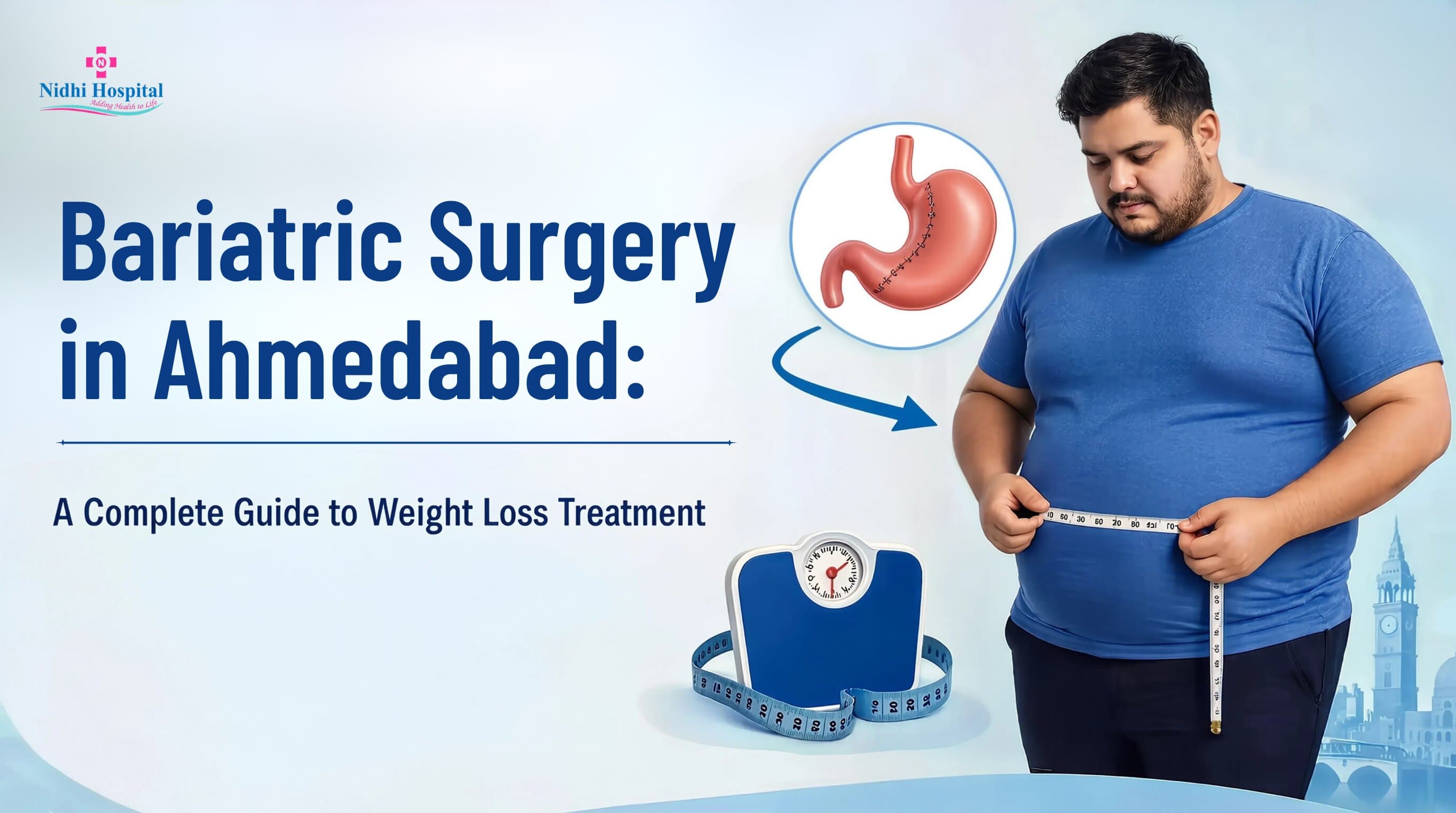
Obesity is more than a concern related to body weight. When excess weight continues for years, it can affect blood sugar, blood pressure, sleep, mobility, joints, and overall quality of life. For some people, healthy eating, regular exercise, medicines, and other weight-management approaches may not provide enough long-term improvement. In such situations, bariatric surgery may be considered as part of a medically supervised weight-management plan.
For people researching bariatric surgery in Ahmedabad, understanding how these procedures work, who may benefit, what recovery involves, and what lifestyle changes are required afterward is important before making a decision. Bariatric surgery is not simply a method for losing weight quickly. It is a medical treatment designed for appropriately selected patients and requires long-term commitment to nutrition, physical activity, and follow-up care.
What Is Bariatric Surgery?
Bariatric surgery refers to a group of procedures designed to help people with obesity achieve significant and sustained weight loss. Depending on the procedure, surgery can reduce the amount of food the stomach can hold and may also influence appetite and metabolic processes.
The purpose of treatment goes beyond reducing the number on the weighing scale. For suitable patients, meaningful weight loss may help improve obesity-related health conditions and make everyday activities easier.
However, surgery is not appropriate for everyone. A bariatric surgeon considers factors such as body mass index, existing medical conditions, previous weight-management efforts, nutritional health, and the patient's ability to follow long-term lifestyle recommendations before suggesting an operation.
When Is Bariatric Surgery Considered?
The decision to undergo surgery should be based on a complete medical assessment rather than weight alone. Bariatric procedures are generally considered for people with significant obesity, particularly when excess weight is contributing to health problems or when non-surgical approaches have not produced sustainable results.
Conditions that may influence the treatment decision include type 2 diabetes, high blood pressure, obstructive sleep apnoea, cardiovascular risk, fatty liver disease, and obesity-related joint problems.
It is also important to understand that bariatric surgery is not a substitute for healthy habits. The procedure can support weight reduction, but maintaining the results requires long-term changes in eating behaviour, physical activity, and regular medical follow-up.
What Are the Main Types of Bariatric Surgery?
There are several bariatric procedures, and each works differently. The appropriate option depends on the patient's medical condition, weight-management goals, eating patterns, previous treatments, and overall health.
Sleeve Gastrectomy
Sleeve gastrectomy involves removing a large portion of the stomach and creating a smaller, sleeve-shaped stomach. The reduced stomach capacity can help patients consume smaller portions, while changes in appetite-related hormones may also contribute to weight loss.
It is commonly considered because it does not require intestinal bypass. However, patients still need to follow dietary recommendations and attend regular follow-up appointments after surgery.
Gastric Bypass
Gastric bypass involves creating a smaller stomach pouch and changing the pathway through which food passes through part of the digestive system. This can reduce food intake and alter the way the body processes nutrients and metabolic signals.
Because the procedure changes digestion, nutritional monitoring becomes an important part of long-term care.
Other Bariatric Procedures
Other procedures may be considered in selected circumstances. There is no single operation that is ideal for every patient. A specialist should evaluate the individual's health, nutritional needs, previous surgical history, and long-term goals before recommending a particular procedure.
What Are the Benefits of Weight Loss Surgery?
For appropriately selected patients, bariatric surgery can provide benefits that extend beyond weight reduction. Losing excess weight may make it easier to move, exercise, sleep, and manage certain obesity-related health conditions.
Potential benefits may include improved blood sugar control, better management of high blood pressure, reduced symptoms associated with sleep apnoea, less pressure on weight-bearing joints, improved mobility, and better overall quality of life.
The results are different for every individual. The amount of weight lost and the long-term health benefits depend on the procedure, starting weight, medical conditions, eating habits, physical activity, and adherence to follow-up care.
This is why realistic expectations are important when considering weight loss surgery in Ahmedabad. A consultation should focus not only on expected weight reduction but also on how treatment can contribute to broader improvements in health.
Is Bariatric Surgery Safe?
Like any major surgical procedure, bariatric surgery has potential risks and should only be considered after appropriate medical evaluation. The risks vary according to the procedure and the patient's health.
Possible concerns can include bleeding, infection, blood clots, reactions to anaesthesia, digestive problems, or nutritional deficiencies. Some patients may also require additional medical support during recovery or long-term nutritional monitoring.
The safety of the procedure depends on several factors, including appropriate patient selection, experienced surgical care, suitable hospital infrastructure, anaesthesia support, and proper post-operative monitoring.
Patients should discuss the potential benefits, risks, alternatives, and expected recovery with their surgeon before making a decision.
What Happens Before Bariatric Surgery?
Preparation is an important part of the treatment process. Before surgery, the medical team evaluates whether the patient is medically suitable and identifies any conditions that may need attention before the procedure.
The assessment may include a review of medical history, physical examination, blood tests, nutritional evaluation, imaging or other investigations, and anaesthesia assessment. Depending on the patient's health, consultations with other specialists may also be recommended.
This process helps the surgical team understand the patient's overall health and prepare an appropriate treatment and recovery plan.
What Is Recovery Like After Bariatric Surgery?
Recovery varies depending on the procedure and the individual's general health. Patients are usually encouraged to begin gentle movement as advised by their medical team and gradually return to normal activities.
Diet is an especially important part of recovery. Following surgery, the stomach needs time to adapt, so patients generally progress through carefully planned dietary stages before returning to a more regular eating pattern.
Portion sizes remain smaller, making nutrient-dense food choices particularly important. Patients may also require prescribed vitamin and mineral supplements and regular monitoring to prevent nutritional deficiencies.
Long-term follow-up is essential. Regular appointments allow the medical team to monitor weight loss, nutritional status, physical health, and progress toward individual treatment goals.
Life After Bariatric Surgery
The operation is only one part of successful long-term weight management. Sustainable results depend heavily on what happens after surgery.
Patients are typically encouraged to develop healthier eating habits, remain physically active according to their abilities, maintain adequate hydration, and follow nutritional recommendations. Regular medical appointments help identify potential nutritional or health concerns early.
Emotional and behavioural factors can also influence long-term outcomes. Developing realistic habits and maintaining consistency can be just as important as the surgical procedure itself.
For this reason, bariatric treatment should be viewed as a long-term health journey rather than a short-term weight-loss solution.
How to Choose the Right Hospital for Bariatric Treatment
Choosing the right hospital is an important part of preparing for surgery. Patients should consider the experience of the bariatric surgical team as well as the hospital's diagnostic facilities, operating infrastructure, anaesthesia support, critical care services, and post-operative monitoring.
A Multispecialty hospital in Ahmedabad can be particularly useful for patients who have obesity-related conditions requiring input from more than one medical specialty. Coordinated access to physicians, surgeons, nutrition professionals, anaesthesiologists, and other specialists can make the overall treatment process more comprehensive.
Patients may also consider hospitals that follow established quality and patient-safety systems. When evaluating an NABH Hospital in Ahmedabad, it is useful to understand the hospital's accreditation status and the quality standards relevant to the care being provided.
Questions to Ask Your Bariatric Surgeon
Before deciding on surgery, patients should feel comfortable discussing their concerns openly with their surgeon. Useful questions include:
- Am I a suitable candidate for bariatric surgery?
- Which procedure is most appropriate for my health condition?
- What results can I realistically expect?
- What are the possible risks and complications?
- How long could my recovery take?
- What dietary changes will I need to make?
- Will I require vitamin or mineral supplements?
- How frequently will I need follow-up appointments?
Having clear answers can help patients make an informed decision rather than choosing a procedure based solely on advertisements or expected weight-loss numbers.
Making an Informed Decision
Choosing surgery for obesity is a significant healthcare decision. It should be based on a detailed assessment of your health, realistic expectations, and a clear understanding of the long-term commitment involved.
For those exploring obesity surgery in Ahmedabad, Nidhi Hospital provides access to multidisciplinary medical care and specialist evaluation to help patients understand their treatment options. The focus should always remain on appropriate patient selection, safe surgical care, nutritional support, and sustainable improvements in health.
Bariatric surgery can be an effective treatment for selected patients with obesity, but its success depends on much more than the procedure itself. With appropriate medical guidance and a continued commitment to healthier habits, patients can work toward meaningful and lasting improvements in their health and quality of life.
Medical Disclaimer
The information provided in this article is for general educational purposes only and should not be considered a substitute for professional medical advice, diagnosis, or treatment. Bariatric surgery is not suitable for everyone, and eligibility, procedure selection, benefits, and risks vary between individuals. Consult a qualified bariatric surgeon for a personalized evaluation before making any treatment decision.
Medical Disclaimer: This article is for informational purposes and not a substitute for professional medical advice. For any health concerns, please consult with our specialists at Nidhi Hospital.